

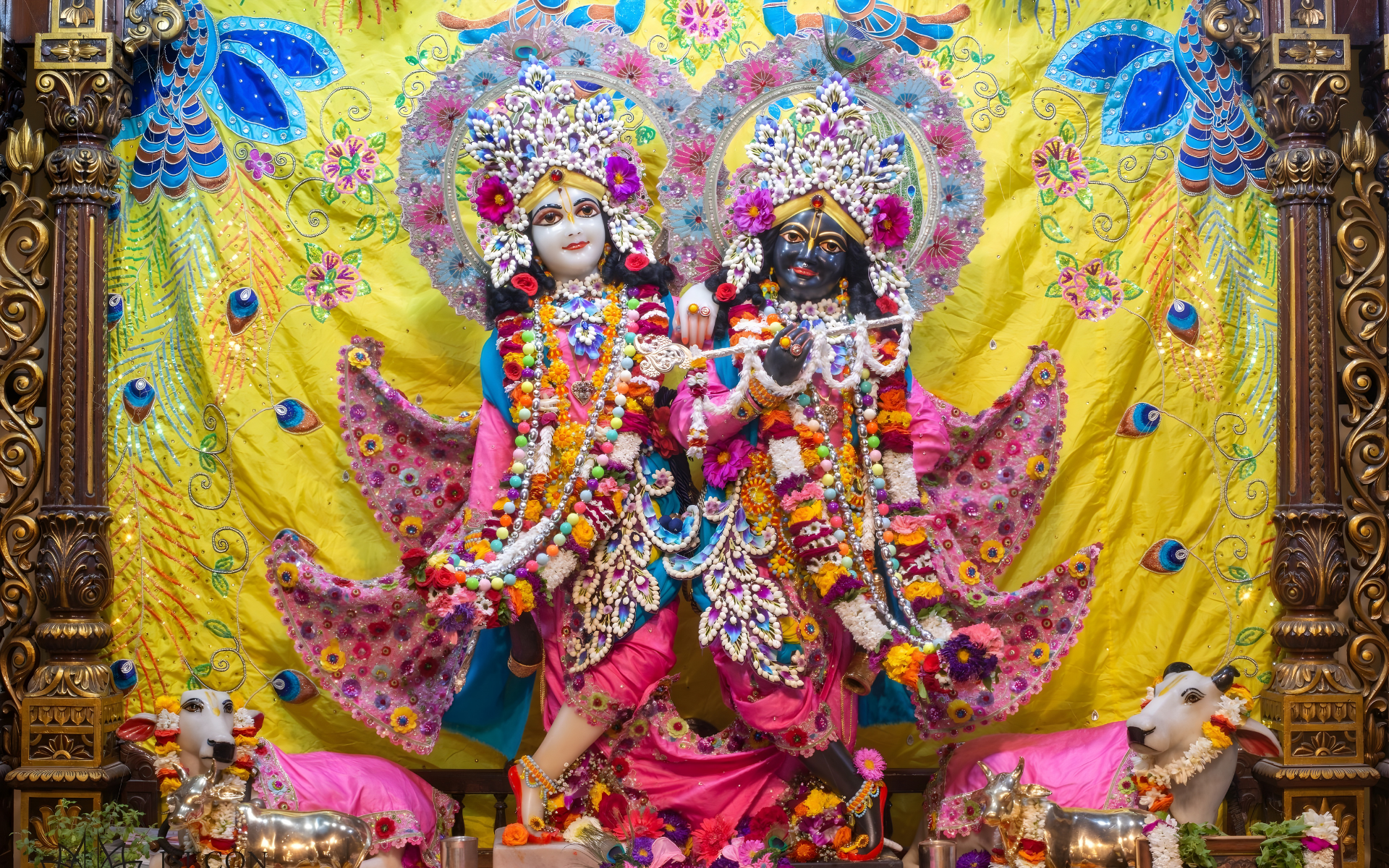
Vedic festivals are vibrant celebrations that unite communities in devotion, joy, and cultural expression. These sacred occasions are not only religious observances but also powerful reminders of timeless spiritual truths. At ISKCON centers around the world, festivals such as Janmashtami, Ratha Yatra, and Gaura Purnima are celebrated with enthusiasm and deep devotion.
Each festival carries profound meaning. Janmashtami marks the appearance of Lord Krishna, reminding devotees of divine love and protection. Ratha Yatra symbolizes the Lord’s outreach to everyone, emphasizing inclusivity and compassion. These events create opportunities for people from all backgrounds to experience spiritual culture firsthand.
Festivals include devotional music, traditional dance, dramatic presentations, scripture recitations, and elaborate decorations. The atmosphere is uplifting and joyful. One of the most cherished aspects is prasadam—sanctified vegetarian food—shared freely with all attendees. This hospitality reflects the Bhakti principle of service and generosity.
Beyond celebration, festivals serve an educational purpose. Visitors learn about Vedic philosophy, yoga, meditation, and ethical living. Cultural exhibitions and interactive sessions help bridge the gap between ancient wisdom and modern understanding. These gatherings foster intercultural dialogue and appreciation.
Community participation is central to these events. Volunteers contribute their time and talents, strengthening unity and cooperation. Families attend together, creating lasting memories and reinforcing spiritual values in a festive setting.
In essence, Vedic festivals nourish both the heart and the soul. They remind us that spirituality is not dry or restrictive but joyful and inclusive. By opening these celebrations to the public, ISKCON continues its mission of sharing timeless wisdom, promoting harmony, and inspiring devotion across cultures.